Car Insurance Companies Are Watching How You Drive — And Drivers Are Shocked
Car Insurance Companies Are Watching How You Drive — And Drivers Are Shocked
Last updated: May 2026 | Reading time: ~6 minutes
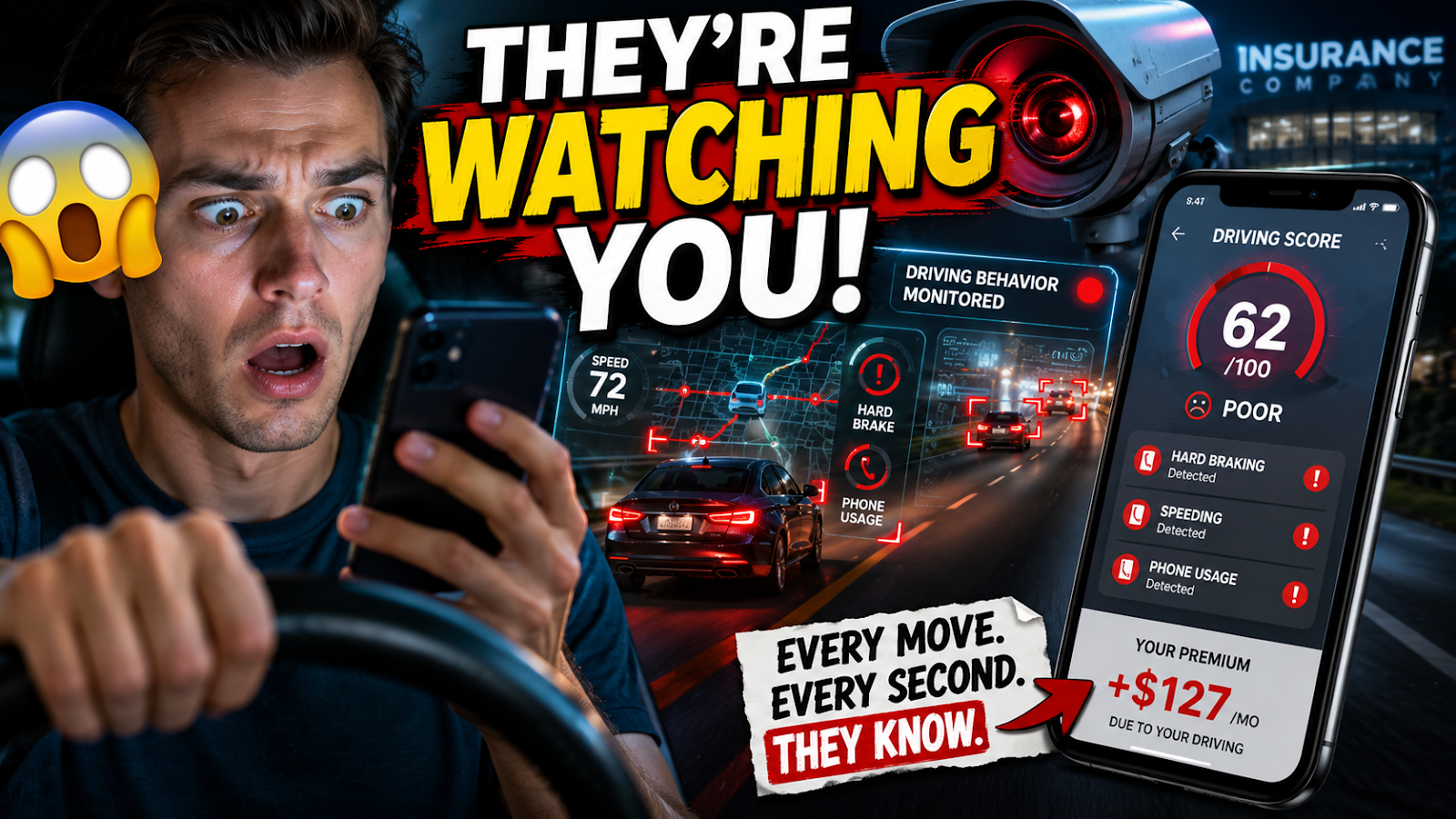
You think no one is watching. You merge a little fast. You brake a little late. You check your phone at a red light — just for a second.
But someone is watching. Your car insurance company knows. And they're using that data to decide how much you pay. Welcome to the era of telematics — where your premium isn't just based on your age, your zip code, or your car model anymore. It's based on exactly how you drive, mile by mile, turn by turn, brake by brake. And millions of drivers have no idea this is already happening to them.
What Is Telematics — And Why Should You Care?
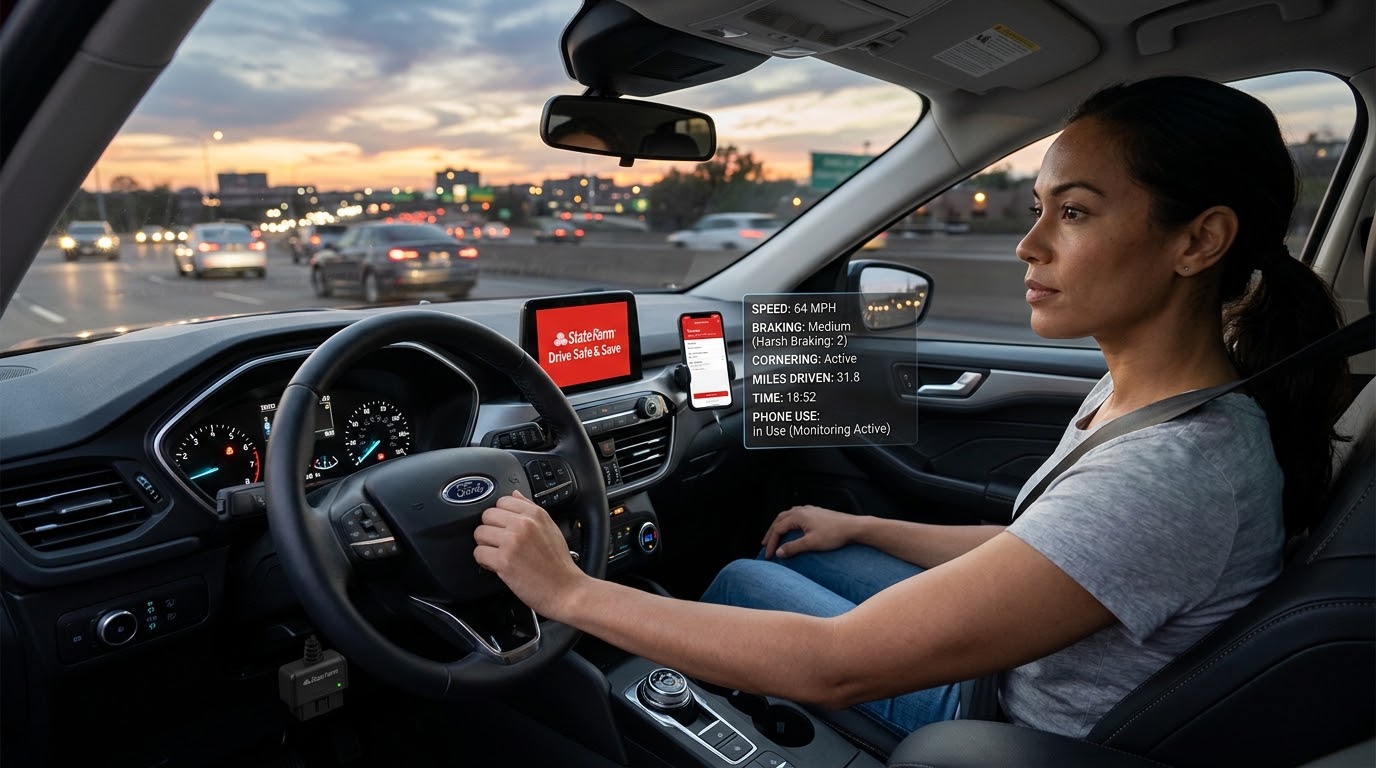
Telematics is the technology that allows insurance companies to monitor your driving behavior in real time. It works through a small plug-in device (usually inserted into your car's OBD-II port), a smartphone app, or increasingly — the built-in software already embedded in your vehicle.
The data it collects is unsettlingly detailed.
We're talking about your speed, your acceleration, how hard you brake, the time of day you drive, how many miles you travel, and even how sharply you take corners. Some programs now track whether you're using your phone while driving.
State Farm, Progressive, Allstate, GEICO, and nearly every major insurer now offer some version of this program. Progressive's Snapshot. State Farm's Drive Safe & Save. Allstate's Drivewise. These aren't niche products anymore — they're going mainstream, fast.
The Numbers Don't Lie
Here's where it gets real.
According to a 2024 report by McKinsey & Company, more than 30% of U.S. auto insurance policies now include some form of usage-based or behavior-based pricing. That number is expected to climb to over 50% by 2027.
The global telematics insurance market was valued at approximately $4.5 billion in 2023, and analysts project it will surpass $12 billion by 2030, according to data from Grand View Research.
And it's not just a U.S. phenomenon. In the UK, telematics-based "black box" policies have become almost standard for young drivers, with over 1 million such policies active as of 2024.
The technology is spreading. Fast.
"I Had No Idea They Were Tracking That"
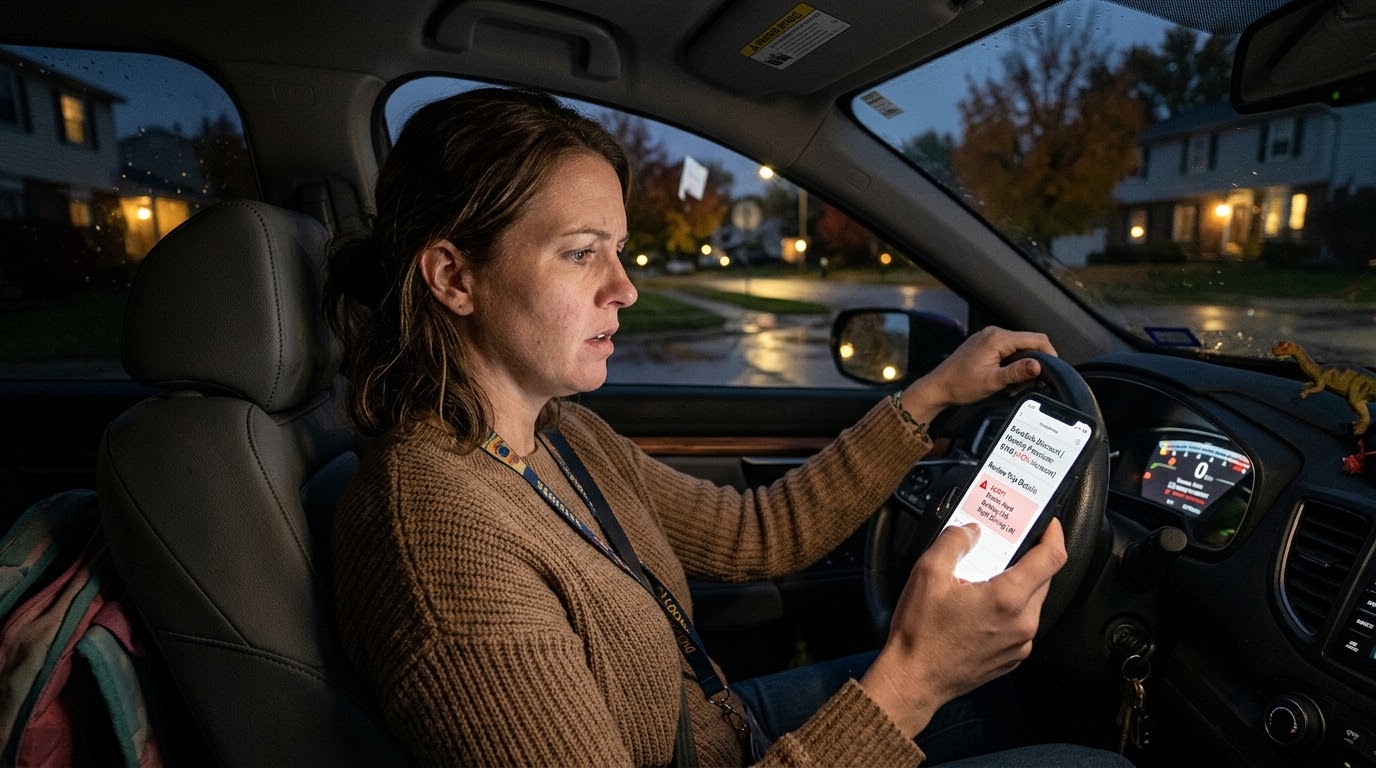
Sarah M., a 34-year-old teacher from Ohio, signed up for her insurer's telematics program expecting a discount.
She got one — at first.
"They told me I could save up to 30% just by downloading the app," she recalls. "So I said yes. I mean, I'm a good driver. Why wouldn't I?"
Three months later, her premium went up.
The app had flagged her for "late-night driving" — she works evening tutoring sessions — and for "hard braking events" that happened because a child ran into the street in her neighborhood. Events she had no way to explain to an algorithm.
Sarah's story isn't unique. Across Reddit, consumer complaint boards, and social media, thousands of drivers are sharing similar experiences. They signed up expecting rewards. Some got them. Others found themselves penalized for behaviors they didn't even know were being measured.
What Exactly Are They Measuring?
Let's break it down. Most telematics programs track five core behaviors:
Speed — Not just whether you speed, but how consistently you drive above posted limits, even by 5–10 mph.
Hard braking — Sudden deceleration events, which insurers interpret as a sign of distracted or aggressive driving.
Rapid acceleration — Flooring the gas pedal is seen as risk-taking behavior.
Time of day — Driving between midnight and 4 a.m. is statistically linked to higher accident rates, and many programs penalize it automatically.
Phone use — The most controversial metric. Some apps use gyroscope and motion data to estimate whether you're holding your phone while the car is moving.
Each metric feeds into a driving score. That score — not just your history, not just your demographics — can now determine your rate.
The Privacy Question Nobody Wants to Answer
Here's the part that should make you pause.
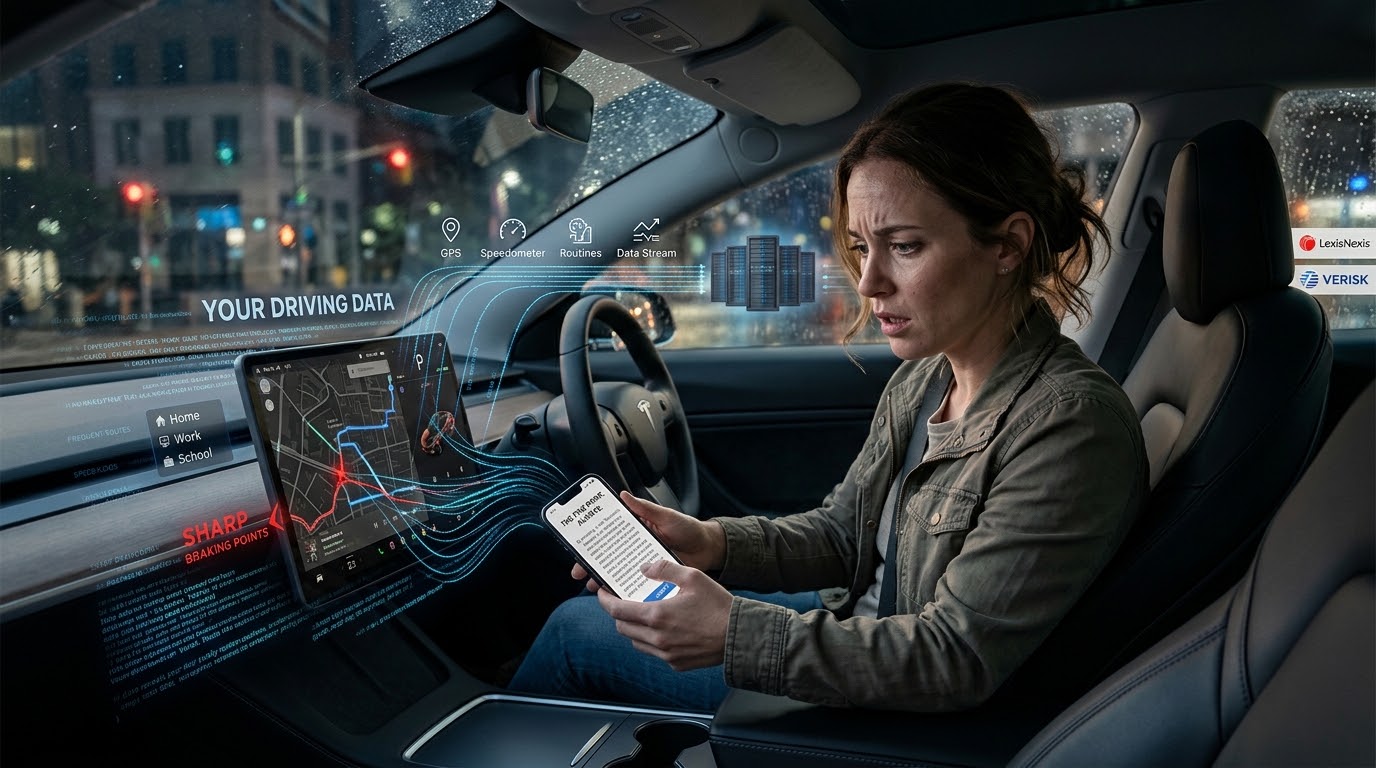
When you agree to a telematics program, you're agreeing to let your insurer collect an enormous amount of data about your daily life. Where you go. When you leave. How long you stay somewhere. Your driving patterns reveal your routines in ways you might not expect.
In 2023, The New York Times reported that some automakers had been quietly selling driving behavior data collected from connected vehicles to insurance companies — without drivers' explicit knowledge. General Motors faced significant backlash after it was revealed that data from its OnStar smart driver program had been shared with insurance data brokers LexisNexis and Verisk.
Drivers whose data had been shared saw their premiums increase. Many had no idea why — or that their car had been reporting on them. Congress has since pushed for clearer disclosure requirements, but regulation has struggled to keep pace with the technology.
The data collected through telematics programs is often stored, sometimes sold, and almost always retained long after your policy ends. Read the fine print. Always.
The Other Side: Can It Actually Save You Money?
Here's the honest answer — yes, it absolutely can.
For safe, low-mileage drivers who avoid peak-risk hours, telematics can deliver meaningful savings. Progressive reports that Snapshot users save an average of $231 per year. State Farm's Drive Safe & Save program offers discounts of up to 30% for high scorers.
Young drivers, who typically face the steepest base premiums due to statistical risk profiles, can benefit enormously. A 19-year-old who scores well on a telematics program can sometimes cut their annual premium by hundreds of dollars — savings that would be impossible to unlock otherwise.
For drivers who commute short distances, work from home, or drive primarily during low-risk hours, usage-based insurance can be a genuinely smart financial decision.
The question is: do you know your own driving habits well enough to take that bet?
How to Protect Yourself — Whether You Opt In or Not
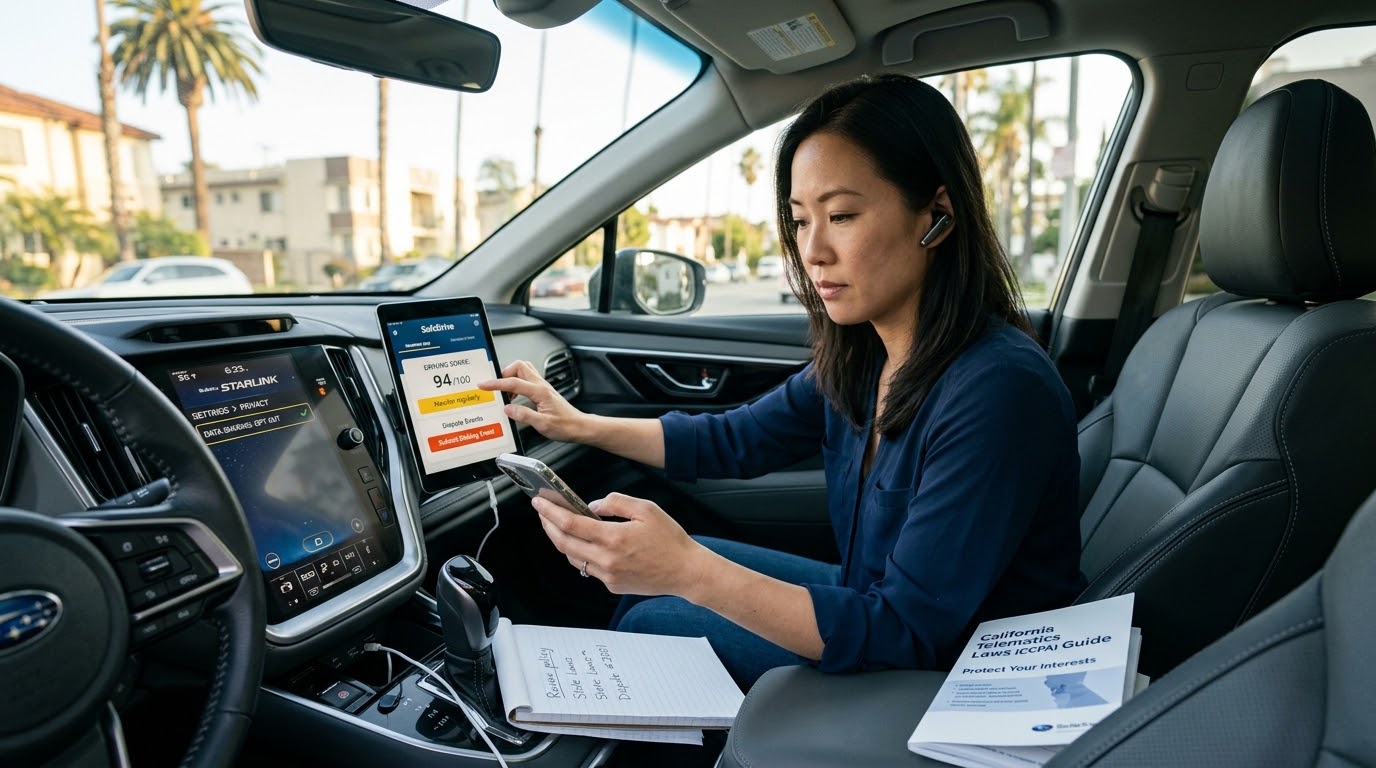
If you're considering a telematics program, here are practical steps to protect your interests.
Ask for the full data policy in writing before you enroll. Understand exactly what is collected, how long it's stored, and whether it can be shared with third parties.
Check whether your state has specific telematics privacy protections. California, for example, has some of the strongest data privacy laws in the country under the CCPA.
Monitor your driving score regularly through the app and dispute specific events that you believe were flagged incorrectly. Most insurers have a dispute process — but it's rarely advertised.
If you drive a newer connected vehicle, check your car's privacy settings directly. Many vehicles allow you to opt out of certain data-sharing features through the infotainment system.
And if telematics genuinely concerns you, simply decline. You are not required to participate in any voluntary telematics program. Your insurer cannot legally mandate it in most states.
What's Coming Next
The future of auto insurance looks even more data-driven.
Automakers and insurers are increasingly partnering directly — bypassing the plug-in device entirely and pulling behavioral data straight from the vehicle's onboard systems. Tesla, Ford, and GM are all in active partnerships or discussions with major insurers around embedded telematics.
AI models are now being developed that can predict accident likelihood not just from driving data, but from patterns — how you drive on Tuesdays versus Thursdays, how your braking profile changes in winter, even how you respond to route changes.
This isn't science fiction. It's the direction the industry is actively moving in, and it raises fundamental questions about consent, fairness, and what it means to be rated not on what you've done, but on what an algorithm thinks you might do.
The Bottom Line
Car insurance has always been personal. Now it's become intimate.
Telematics technology is neither villain nor savior. For careful, low-mileage drivers who understand what they're agreeing to, it can unlock real financial benefits. For drivers who aren't fully informed — or whose lives don't fit a "low-risk" statistical profile — it can quietly work against them.
The shift is already underway. More than half of all auto policies may be behavior-based within the next few years. The question isn't whether this technology will affect you.
The question is whether you'll be ready when it does.
Know what your insurer is measuring. Understand the tradeoffs. And above all — read what you're signing before you hand over the keys to your data.
For more on how to compare insurance options and protect your consumer rights, visit the National Association of Insurance Commissioners or your state's department of insurance website.

Comments
Post a Comment
Silahkan anda berkomentar dengan baik, jangan melakukan Spam, jangan menyisipkan link aktif,
terima kasih.